

Flexible Business Storage | Securely Stored
Flexible business storage offers on-demand self-storage services with features and lease terms specifically designed for commercial needs. It provides scalable space, secure access, and operational efficiency for local companies. This guide breaks down the essentials of flexible storage—what commercial self-storage entails, why month-to-month leasing is crucial, and how different unit types and amenities, like climate control and drive-up access, deliver tangible business advantages. Many businesses in Benton and Bryant grapple with fluctuating inventory levels, limited warehouse space, or the need for secure document archiving. Flexible storage presents a practical alternative to expensive facility expansions. The article covers the primary solution types, matches unit sizes to real-world business scenarios, and highlights security and climate strategies to prevent loss and streamline operations. Following this foundation, the guide details how Securely Stored Self Storage of Benton and Bryant AR (Securely Stored) tailors its offerings to local businesses with options like flexible month-to-month leases and a wide array of unit sizes. You’ll learn how to select the right units, manage inventory workflows, assess climate control requirements, and begin the setup process.
What Are Flexible Business Storage Solutions and Why Do They Matter?
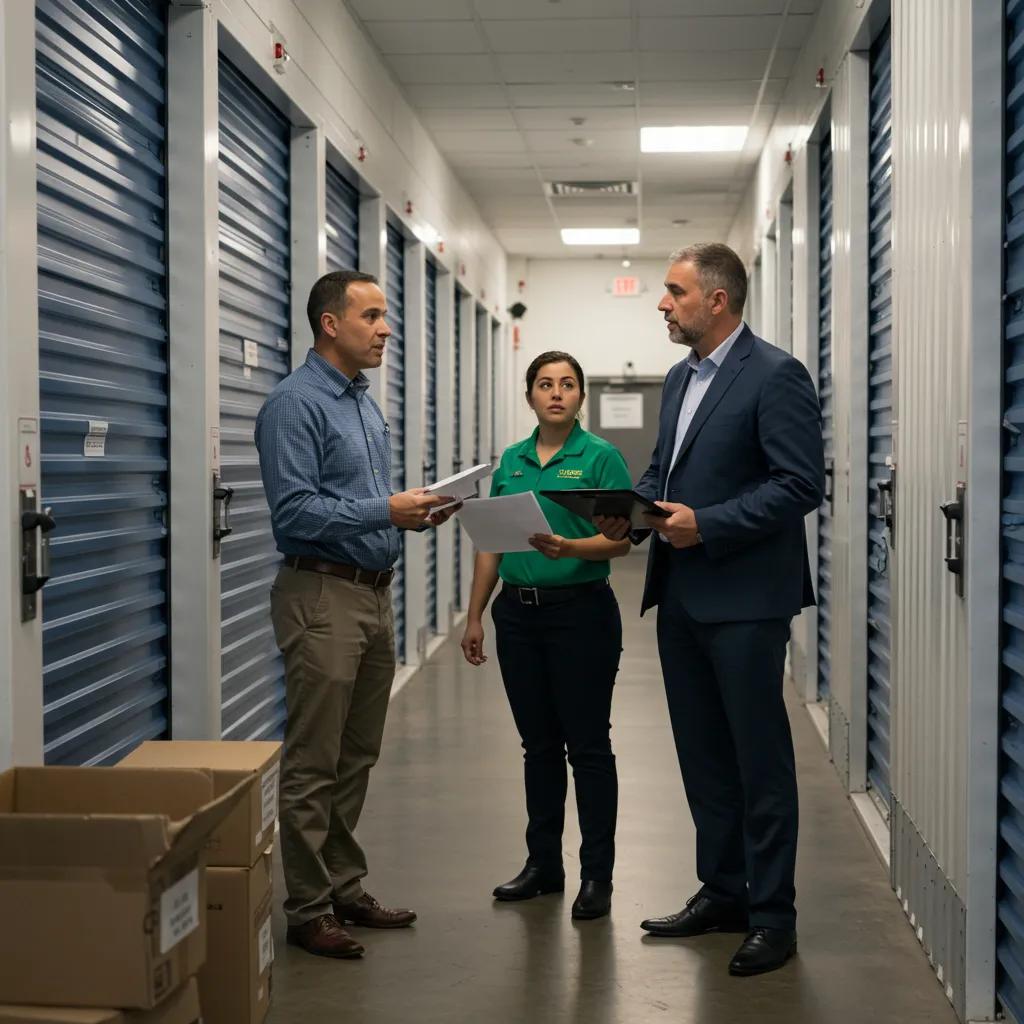
Flexible business storage solutions are commercial-grade self-storage options that combine diverse unit sizes, useful amenities, and short-term lease agreements to adapt to evolving business demands. They work by separating storage capacity from fixed real estate commitments, allowing businesses to expand or contract their space quickly while protecting cash flow and maintaining operational agility. The key business advantage is reduced overhead: companies avoid long-term capital expenses for warehouse expansion and instead utilize operational expenses for storage that aligns with demand. Understanding these dynamics clarifies why flexible storage is vital for inventory management, seasonal retail operations, document archiving, and fleet support.
What Is Commercial Self Storage for Businesses?
Commercial self-storage for businesses is a service designed for storing inventory, equipment, documents, or vehicles. It differs from residential storage by focusing on operational workflows and specific security needs. It functions as a modular warehouse alternative, offering individual units equipped with features like drive-up access, climate control, and surveillance systems to support receiving, picking, and staging operations. Businesses commonly use commercial units for excess stock, staging project materials, secure document retention, and temporary vehicle parking. Compared to traditional warehouse expansion, it offers faster deployment and lower initial costs, making self-storage an attractive operational stopgap or long-term supplement.
On-Demand Warehousing: Features and Business Models for Businesses
On-demand warehousing platforms match companies with underutilized warehouse and distribution capabilities with customers who need extra space or distribution services. These new business models have unique advantages, in terms of reduced capacity and commitment granularity, but also have different cost structures compared with traditional ways of obtaining distribution capabilities.
On-demand warehousing: main features and business models, F Tornese, 2020
How Does Flexibility Benefit Your Business Storage Needs?
Flexibility benefits businesses by enabling swift adjustments to their storage footprint, matching capacity to demand surges without long-term lease commitments, and improving cash flow through predictable monthly payments. Essentially, month-to-month leasing and easy unit exchanges minimize decision-making friction and empower teams to reconfigure logistics in response to seasonal sales or project schedules. For instance, a retailer can rent a 10×10 unit for holiday inventory and then return it when demand decreases, avoiding payment for unused space. These practical outcomes—scalability, responsiveness, and cost control—support faster operations and lower carrying costs.
Which Types of Business Storage Units Are Available?
Several common business-focused storage unit types cater to distinct operational requirements and asset sensitivities. Drive-up units facilitate easy loading and unloading for frequent access and heavy items. Indoor units offer protection from the elements for stored goods needing extra shelter. Climate-controlled units maintain stable temperature and humidity for sensitive inventory. Vehicle storage accommodates commercial trucks and fleet vehicles. The choice of unit type depends on access frequency, item sensitivity, and vehicle dimensions, and selecting the right one minimizes handling time and reduces the risk of damage.
- Key business storage unit types include drive-up, indoor, climate-controlled, and vehicle storage.
- Each unit type is designed for specific needs: rapid access, weather protection, humidity control, or vehicle parking.
- Selecting the appropriate type optimizes receiving and shipping workflows and minimizes damage or downtime.
These unit types form the basis for operational planning, and understanding their differences leads to how local providers translate features into business advantages.
How Does Securely Stored Provide Flexible Storage Solutions for Businesses in Benton and Bryant, AR?
Securely Stored Self Storage of Benton and Bryant AR (Securely Stored) offers flexible storage through facility-wide features, clear pricing, and special offers designed to simplify the process for local businesses. The facility model combines a range of unit sizes with amenities like climate control, drive-up access, and robust security systems to accommodate inventory, equipment, document, and vehicle storage needs. Securely Stored emphasizes transparent pricing, flexible month-to-month lease terms, and introductory offers like the Promotional Offer: Second Month Free to ease initial expenses and encourage adoption. These local solutions are crafted to support businesses throughout Benton and Bryant with scalable storage that preserves cash flow and enhances logistics.
What Unit Sizes and Pricing Options Fit Different Business Needs?
Choosing the right unit size involves matching typical contents and workflows to space and access requirements; smaller units are suitable for archived documents, while larger units can accommodate pallets or vehicles. Securely Stored offers unit sizes from compact to expansive, providing options for document archiving, inventory storage, and vehicle parking, all with upfront pricing and the promotional Second Month Free offer to simplify the start. The following table illustrates common unit sizes and sample business applications to guide your selection.
This introductory table shows how different units align with business scenarios.
| Unit Size | Dimensions (approx.) | Typical Contents | Vehicle Compatibility | Recommended Business Use |
|---|---|---|---|---|
| 5’x10′ | Small footprint | File boxes, small inventory items | No | Document archiving, small parts storage |
| 10’x20′ | Mid-size unit | Palletized inventory, office equipment | Small vans | E-commerce inventory, staging for deliveries |
| 10’x30′ | Large unit | Multiple pallets, vehicles/equipment | Trucks, trailers | Contractor equipment, fleet vehicle storage |
This unit-size guide helps businesses quickly narrow down their options; matching dimensions to contents reduces wasted space and handling costs.
Why Choose Climate-Controlled Storage for Sensitive Business Assets?
Climate-Controlled Units maintain specific temperature and humidity levels to prevent issues like mold, warping, and electronic failures, making them essential for archival documents, electronics, and temperature-sensitive samples. The core function is environmental stabilization: controlling moisture and heat minimizes biological growth and chemical degradation that can damage inventory over time. Businesses storing archival records, sensitive electronics, prototypes, or pharmaceutical samples benefit from reduced replacement costs and fewer claims. Opting for climate control is a risk-management decision that often yields returns through lower loss rates and preserved asset value.
- Climate control safeguards paper, electronics, and sensitive materials from humidity and temperature fluctuations.
- It prevents mold, warping, and corrosion that lead to inventory loss or shortened product lifespans.
- For high-value or regulated inventory, climate control can lower insurance exposure and compliance risks.
These protective benefits explain why many businesses prefer climate-controlled units for critical or long-term storage needs.
How Do Drive-Up Access and Extended Hours Improve Business Efficiency?
Drive-Up Access simplifies loading and unloading by allowing vehicles to pull directly up to a unit, speeding up handling and reducing labor time for businesses with frequent access needs. Operationally, this minimizes touchpoints and handling steps in receiving and dispatch workflows, enabling quick turnarounds for pickups and deliveries. For companies with regular shipments or large equipment, drive-up units translate into fewer labor hours and faster order fulfillment. When combined with extended access hours, drive-up capability supports flexible shift schedules and weekend operations, aligning storage access with business rhythms.
What Security Features Protect Your Business Storage Units?
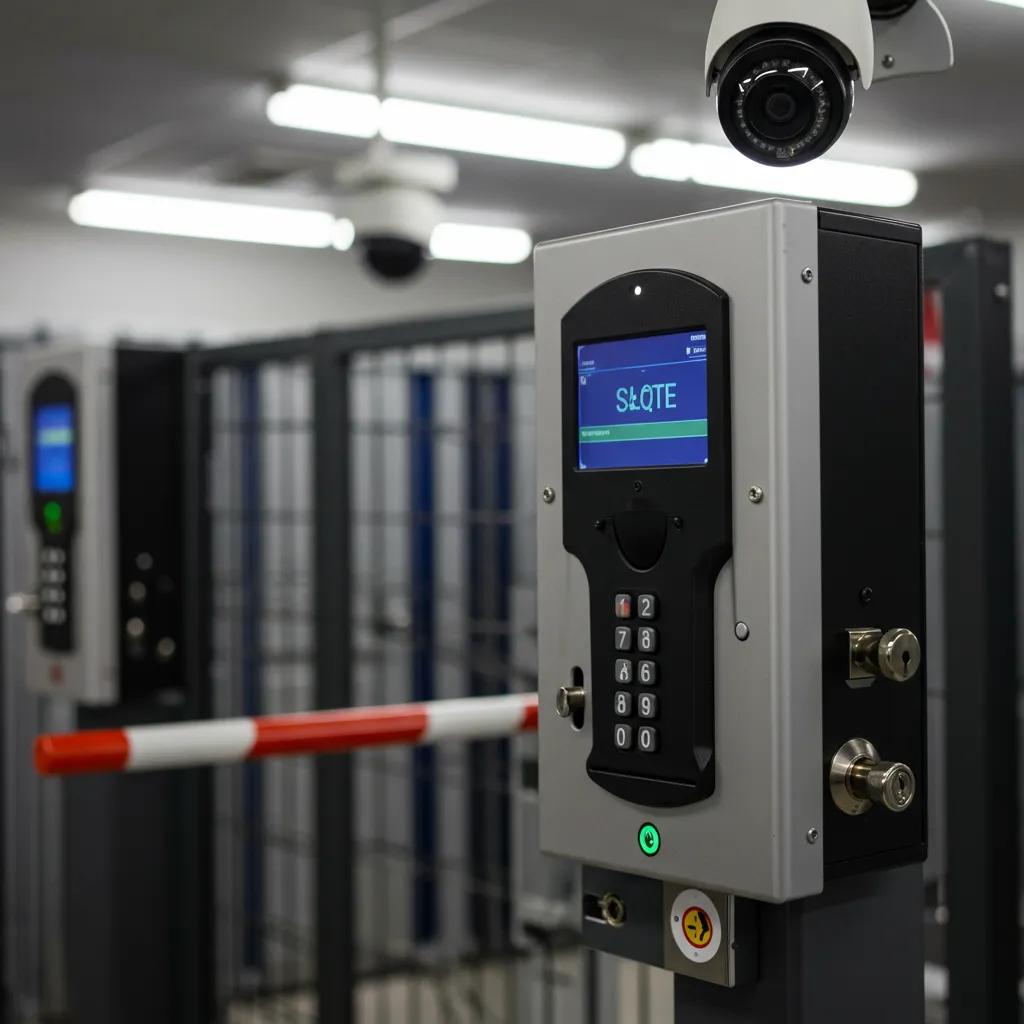
Security features such as 24/7 video monitoring, electronic gate access, and individual unit locks safeguard stored assets by deterring theft and providing audit trails for any incidents. Video monitoring records activity and can reduce insurance risks, as recorded footage aids in incident investigations and claims. Electronic gate access with PIN codes controls who enters the facility. Individual unit locks and on-site staff presence add physical and human deterrents that complement technology. Collectively, these measures reduce exposure to loss and provide businesses with reliable chain-of-custody controls for sensitive assets.
- Key security features include 24/7 video monitoring, electronic gate access, and individual unit locks.
- Video monitoring offers evidence for incident response and supports insurance documentation.
- Electronic gate access and staff oversight limit unauthorized entry and enhance overall safety.
These security measures are fundamental to protecting inventory, equipment, and vehicle assets for businesses that depend on external storage solutions.
What Are the Best Storage Solutions for Specific Business Needs?
Selecting the optimal storage solution hinges on the business sector, access frequency, and the physical characteristics of the items being stored. Solutions range from shelving and pallet racking in medium-sized units to dedicated vehicle storage for fleets and climate-controlled spaces for sensitive inventory. The most effective approach aligns storage type with operational workflows—receiving, inventory rotation, pick/pack, and dispatch—to minimize handling time and maximize throughput. Matching business types to recommended unit configurations helps teams implement practical layouts and choose amenities that reduce long-term expenses.
How Can E-commerce and Retail Businesses Manage Inventory with Self Storage?
E-commerce and retail businesses can effectively manage inventory by utilizing shelving, labeled bins, and clearly defined pick paths within a storage unit, which supports efficient fulfillment and restocking. Best practices include employing pallet racking for bulk inventory, installing durable shelving for small SKUs, and implementing FIFO (First-In, First-Out) rotation systems for perishable items. Smaller operations often find a 10×10 or 10×20 unit suitable depending on SKU volume, while higher-volume sellers might require multiple units or pallet-sized spaces. Integrating clear labeling and streamlined receiving procedures reduces pick errors and accelerates order processing.
This introductory table guides businesses by matching types to recommended solutions.
| Business Type | Storage Need | Recommended Unit Type/Feature |
|---|---|---|
| E-commerce | Organized SKU storage, pick/pack operations | 10’x10’–10’x20′ with shelving and labeled zones |
| Retail overflow | Seasonal inventory rotation | 10’x20′ with pallet space and drive-up access |
| Subscription box | Regular replenishment cycles | 10’x10′ with shelving and staging area |
This mapping assists retailers in unit selection and internal layout decisions that support fulfillment workflows.
What Are the Benefits of Secure Document Archiving for Businesses?
Secure document archiving consolidates records in a controlled environment, reducing office clutter, ensuring regulatory compliance, and providing auditable access controls. Utilizing climate-controlled space and systematic labeling prevents damage to legal, financial, or medical records and ensures retention schedules are enforceable. Offsite archiving also frees up valuable office space for revenue-generating activities and provides a disaster recovery copy for critical documents. Implementing an indexing and retrieval system minimizes retrieval time and maintains the chain of custody for sensitive files.
How Do Contractors and Tradespeople Store Equipment and Tools Safely?
Contractors and tradespeople benefit from drive-up units and larger Commercial Storage Unit options that allow direct vehicle access for heavy equipment and quick tool retrieval. Best practices include using palletized storage for heavier materials, wall-mounted racks for long items, and centralized tool inventories with check-in/check-out logs to minimize loss. Security layers such as individual unit locks and monitored access deter theft and support insurance claims if necessary. Selecting the correct unit size and layout reduces daily loading/unloading cycles and improves on-site productivity.
Can Businesses Store Vehicles and Fleets Securely?
Vehicle Storage options include dedicated vehicle bays, oversized drive-up units, and outdoor or covered parking configured for fleet needs, with security measures tailored for vehicle access and protection. Key considerations include clearances for height and length, gate access procedures for drivers, and monitored surveillance to maintain a secure chain of custody. Indoor vehicle storage reduces exposure to weather and vandalism, while drive-up compatibility simplifies fleet rotation. Properly structured vehicle storage supports fleet readiness and minimizes maintenance-related downtime.
Why Is Climate-Controlled Business Storage Essential for Sensitive Items?
Climate control is essential because it actively regulates temperature and humidity to prevent damaging conditions—mold growth, paper degradation, electronic failure, and metal corrosion—that occur when environmental conditions fluctuate. By stabilizing the storage environment, climate control slows the rate of material degradation and preserves the functional integrity of components, which in turn reduces replacement costs and insurance exposure. Businesses storing archival records, laboratory samples, or electronic inventory experience measurable reductions in loss and maintenance burdens. Understanding when to opt for climate control is a risk-based decision tied to asset sensitivity and storage duration.
What Items Require Climate Control in Business Storage?
Certain items are particularly susceptible to humidity and temperature fluctuations and therefore require climate-controlled storage to remain serviceable. Examples include archival documents and paper records that can warp or yellow, electronic equipment that may corrode or fail when moisture causes short circuits, and pharmaceutical or lab samples that lose potency outside a narrow temperature range. Leather, wood, and photographic materials also degrade in adverse conditions, making climate control a practical investment for long-term preservation. Businesses should assess their inventory for sensitivity and prioritize climate control for assets with high replacement costs or regulatory importance.
- Items typically requiring climate control: archival documents, electronics, pharmaceuticals.
- Climate protection prevents mold, corrosion, warping, and loss of functionality.
- Prioritize climate control for assets with high replacement value or compliance requirements.
These considerations help businesses determine when the added cost of climate control provides a net benefit.
How Does Climate Control Prevent Damage to Business Inventory?
Climate control prevents damage by maintaining stable humidity and temperature ranges that inhibit biological growth and slow the chemical reactions that degrade materials. Mechanisms include desiccant or HVAC-based humidity regulation that keeps relative humidity within safe limits, and temperature stabilization that avoids thermal cycling which stresses materials. For electronics, stable conditions reduce condensation and corrosion on circuitry, while for paper items, controlled humidity prevents mold and ink migration. Real-world results include fewer damaged shipments, lower insurance claims, and extended usable life for sensitive inventory.
What Are the Cost and Scalability Benefits of Flexible Month-to-Month Business Storage?
Month-to-month business storage shifts storage capacity decisions from capital-intensive investments to operational flexibility, allowing businesses to align storage costs with actual demand and reduce long-term financial obligations. This approach minimizes upfront capital expenditures and offers faster availability compared to constructing or leasing larger warehouse space. When providers offer transparent, upfront pricing and promotions like the Promotional Offer: Second Month Free, the initial cost barrier is lowered, and budgeting becomes more predictable for scaling operations. This operational expense (OPEX) model supports iterative growth and rapid responses to market opportunities.
How Does Month-to-Month Leasing Support Growing Businesses?
Month-to-month leasing supports growth by eliminating long-term commitments and allowing businesses to increase or decrease space based on sales cycles and project timelines. This agility reduces the risk of paying for unused capacity and accelerates the ability to explore new markets or seasonal product lines. For startups and seasonal businesses, this financial flexibility helps maintain cash flow while meeting peak demand without long-term obligations. The net effect is faster operational adjustments and lower financial exposure during periods of uncertain growth.
Why Is Flexible Storage More Cost-Effective Than Expanding Office or Warehouse Space?
Flexible storage is more cost-effective because it converts capital expenditures into predictable operating expenses, eliminates build-out time, and reduces carrying costs associated with underutilized square footage. Expanding office or warehouse space involves leases, construction, utilities, and potential staffing increases that compound fixed costs, whereas storage units can be acquired quickly with minimal overhead. The time to implement is typically weeks for storage versus months for construction or leasehold improvements, shortening the runway to revenue generation. The comparative financial advantage often favors storage for incremental capacity needs.
| Option | Cost/Scalability Factor | Typical Outcome/Benefit |
|---|---|---|
| Month-to-month storage | Low upfront cost, quick scaling | Fast deployment, pay-for-what-you-use |
| Warehouse expansion | High CAPEX, long lead time | Permanent capacity but slower to implement |
| Long-term lease | Fixed costs, limited flexibility | Predictable but higher long-term obligations |
This comparison highlights how month-to-month storage offers time and cost advantages for evolving business models.
How Can Short-Term Storage Support Project-Based Business Needs?
Short-term storage supports projects such as construction staging, events, seasonal inventory surges, and remodels by providing temporary staging areas or secure equipment holding that aligns with project timelines. Units equipped for drive-up access and pallet handling enable efficient movement of materials to and from job sites, while climate-controlled options protect sensitive components during extended projects. Utilizing short-term storage reduces onsite clutter, streamlines logistics, and centralizes staging for phased rollouts. Businesses gain operational clarity and reduced downtime by treating storage as a project asset rather than a fixed overhead.
What Are Common Questions About Flexible Business Storage?
Businesses commonly inquire about security, access hours, unit sizing, and promotions when evaluating flexible storage providers; these questions inform procurement decisions and operational planning. Clear answers reduce procurement friction and align expectations regarding asset protection, logistics windows, and onboarding costs. Addressing these concerns upfront helps teams select providers that offer the right balance of security, access, and price. The following Q&A-style points cover the most frequent considerations and offer practical checks for evaluation.
What Security Features Should Businesses Look for in Commercial Storage Units?
Businesses should prioritize storage providers offering layered security: continuous video surveillance, electronic gate access, and strict unit-level control to minimize unauthorized entry and provide incident evidence. Video monitoring deters theft and provides recorded audits, while electronic gate systems restrict facility access and allow for provider-side access logs. Individual unit locks ensure each business controls its own barrier. A facility with on-site staff or remote monitoring enhances response capabilities during incidents. Robust security reduces theft and supports insurance claims.
- Layered security minimizes theft and aids insurance claims.
- Video surveillance records activity and provides forensic evidence.
- Electronic gate access and unit-level locks control entry and asset ownership.
Can Businesses Access Their Storage Units 24/7?
Access policies differ among providers, so businesses should verify whether 24/7 access, specific gate hours, or scheduled access applies to particular facilities to match their logistics requirements. For operations needing frequent or off-hours retrieval, confirm access windows and whether drive-up routes are available to accommodate vehicle entry. Some providers offer extended access or customized arrangements for commercial accounts, while others maintain set hours for security reasons. Confirming the access policy during onboarding prevents operational surprises and ensures workflow alignment.
How Do Businesses Choose the Right Storage Unit Size?
Selecting the correct unit size starts with cataloging inventory, measuring equipment, and estimating shelving needs, then choosing a unit that accommodates both current volume and short-term growth. Use a checklist: list pallets or boxes, record dimensions, allow clearance for aisles and handling, and factor in shelving or pallet racking. When uncertain, opt for the next larger size to allow for staging and movement space rather than tight stacking that increases handling time. A thorough sizing assessment reduces the need for mid-term unit changes and optimizes cost per usable square foot.
Are There Promotions or Incentives for New Business Storage Customers?
Many providers offer promotions to reduce initial adoption costs; confirm the availability of offers like the Promotional Offer: Second Month Free and transparent upfront pricing to avoid unexpected charges. When a first-month incentive is available, review the terms and conditions to see if it can be combined with other offers or applies to specific unit types. Upfront pricing policies and clear disclosure of fees ensure predictable budgeting and help businesses compare providers based on net cost rather than advertised rates. Verifying promotional terms during the quote process secures expected savings.
- Inquire about promotional details and upfront pricing to compare total costs.
- Verify any eligibility requirements or limitations on promotions.
- Leverage promotions to test storage workflows before making a long-term commitment.
How Can Businesses Get Started with Flexible Storage Solutions at Securely Stored?
Getting started involves preparing a brief inventory list, identifying access and vehicle needs, and contacting the facility to request a quote or schedule a visit for unit verification and sizing. Securely Stored supports local businesses in Benton and Bryant with flexible month-to-month lease terms, a variety of unit sizes, and security features designed for commercial use. Before a site visit, compile details about SKU counts, equipment dimensions, vehicle requirements, and preferred access times to expedite the recommendation process. A well-prepared inquiry reduces back-and-forth communication and speeds up the transition to active storage use.
How to Contact Securely Stored for a Business Storage Quote?
When requesting a quote, gather specific details—inventory type, estimated volume, required amenities like Climate-Controlled Units or Drive-Up Access, and desired lease flexibility—and use the facility’s phone number to discuss options and confirm promotions. Securely Stored Self Storage of Benton and Bryant AR provides phone contact for arranging quotes and facility visits; calling with prepared requirements helps staff recommend suitable Commercial Storage Unit configurations and confirm the Promotional Offer: Second Month Free. Be ready to discuss access hours and any vehicle storage needs so the provider can accurately match unit types.
What Should Businesses Expect When Visiting Securely Stored Facilities?
During a facility visit, expect a tour of available unit types, an overview of security measures, and a sizing confirmation where staff can demonstrate drive-up access, unit clearances, and climate-controlled areas. Staff typically outline lease terms, upfront pricing, and promotional conditions, and review access procedures for electronic gate systems and surveillance coverage. Bring a tape measure and an item list to verify fit and inquire about insurance or documentation practices for archived materials. A structured visit clarifies operational suitability and confirms whether the selected unit will support your workflows.
Where Are Securely Stored Locations in Benton and Bryant, AR?
Exact facility locations and directions are available on the provider’s public listing, and businesses are encouraged to consult the listing or call to find the nearest site for a visit and quote. Securely Stored serves Benton, AR, and Bryant, AR, with local staff ready to assist businesses with unit selection, access inquiries, and promotion verification. Calling ahead ensures staff can prepare relevant unit options and pricing details tailored to each business’s storage needs. Scheduling a visit is the most efficient way to confirm unit fit and finalize security and access arrangements.
- Confirm location details via the provider’s public listing or by phone.
- Schedule a visit to view unit sizes and security features in person.
- Use the visit to verify that chosen units meet operational and vehicle access requirements.
This concludes the guided process for initiating flexible storage at a local facility, helping businesses move confidently from evaluation to operational storage.
Conclusion
Flexible storage solutions empower businesses to adapt their storage needs efficiently, ensuring operational agility and cost-effectiveness. By leveraging features like month-to-month leasing and diverse unit types, companies can optimize their inventory management and reduce overhead costs. Securely Stored Self Storage of Benton and Bryant offers tailored options to meet local business demands, enhancing logistics and cash flow. Discover how our flexible storage solutions can support your business today.